Information
Landmark: Olmoti CraterCity: Ngorongoro Region
Country: Tanzania
Continent: Africa
Olmoti Crater, Ngorongoro Region, Tanzania, Africa
Overview
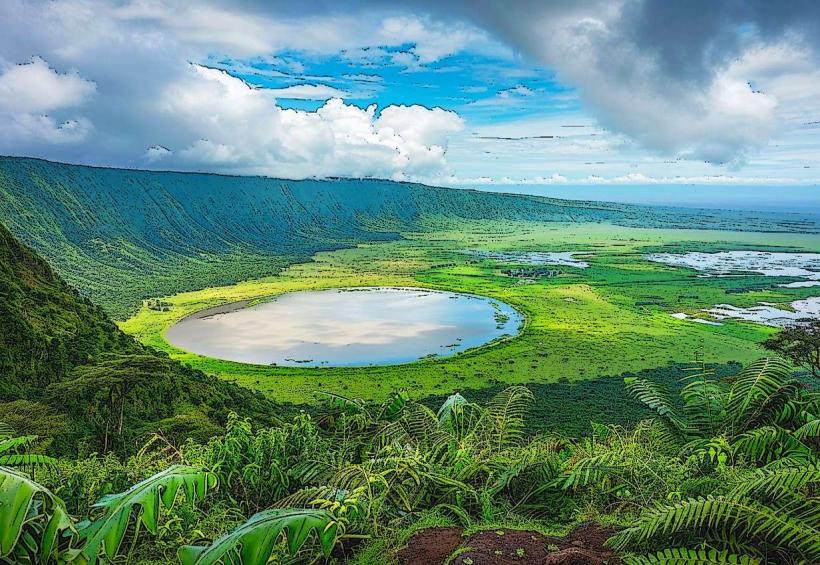
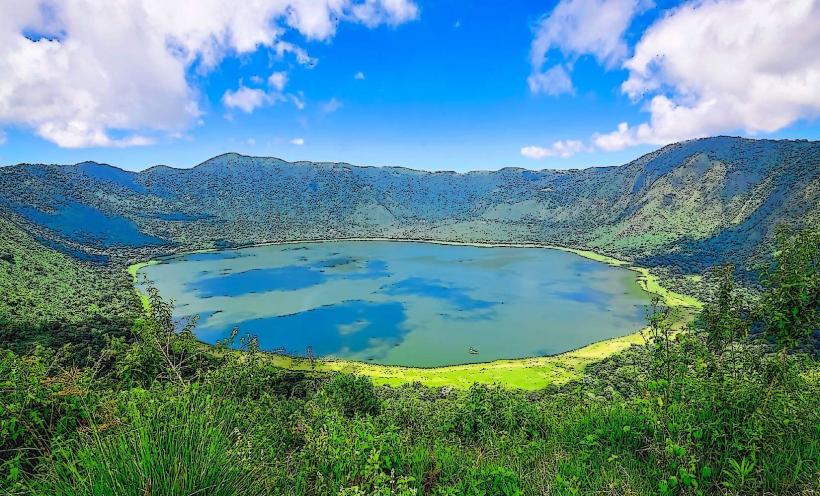
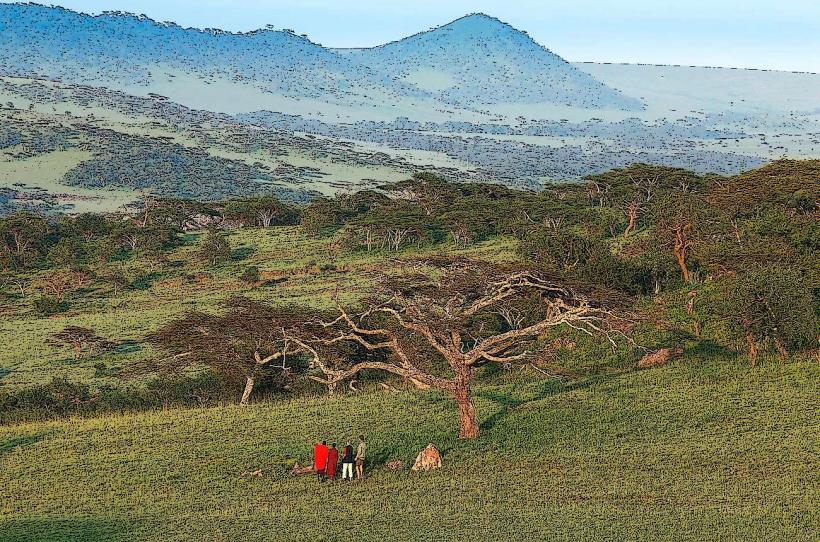
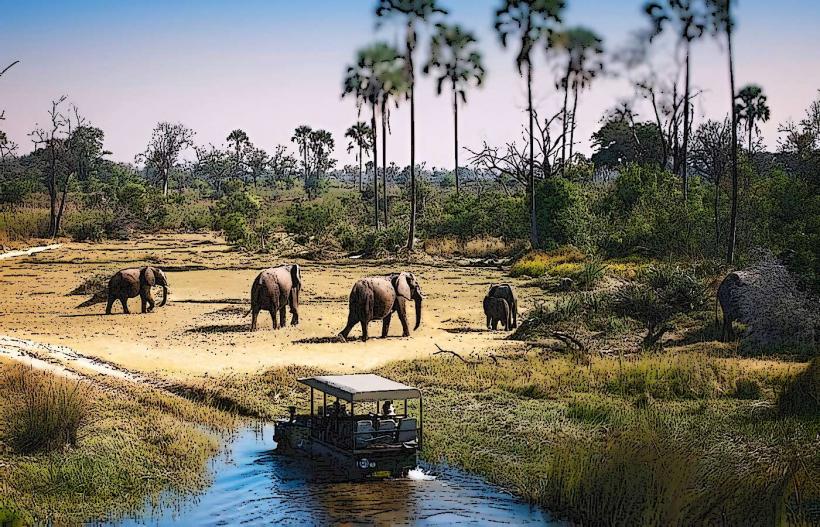
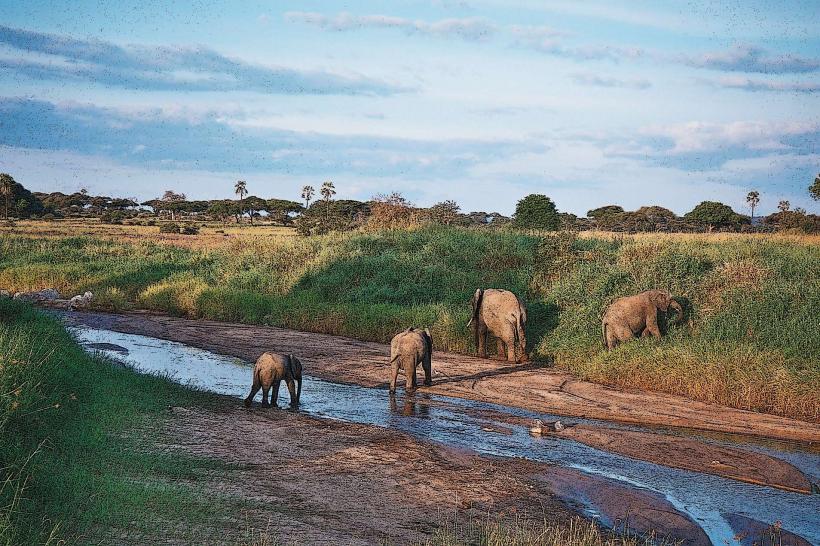
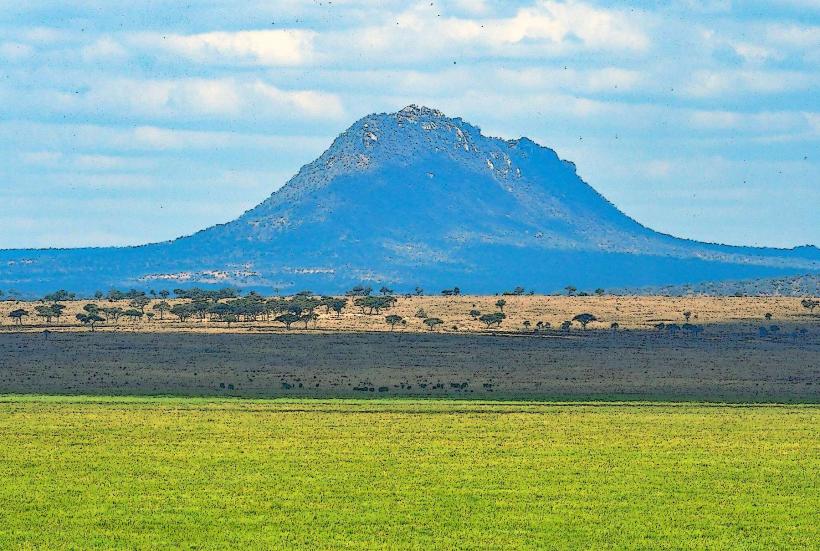
Olmoti Crater, a smaller yet equally stunning site in northern Tanzania’s Ngorongoro Conservation Area, lies just beyond the famed Ngorongoro Crater, where grassy slopes ripple in the wind, as well as it may not draw the same global attention as its bigger neighbor, but Olmoti Crater gives travelers a quiet escape, where grassy slopes roll into hidden streams high in Tanzania’s rugged uplands.Highlights of Olmoti Crater, where grassy slopes dip toward a hidden stream, alternatively olmoti Crater is a volcanic caldera, smaller than the vast Ngorongoro Crater, shaped millions of years ago when tectonic forces and fiery eruptions tore the land apart.The caldera stretches about three kilometers across and towers roughly 2,500 meters-8,200 feet-above the sea, high enough for the air to feel sharp and thin, in addition the crater lies within the Eastern Rift Valley, a rugged geological region home to some of the world’s most famous volcanic landmarks, from snow-capped Mount Kilimanjaro to the vast bowl of the Ngorongoro Crater itself.Unlike the bustling Ngorongoro, Olmoti sees fewer animals, offering quiet trails and sweeping green slopes for visitors who crave solitude and a closer, more personal brush with nature, simultaneously number two.Though quieter than Ngorongoro Crater, Olmoti Crater teems with life, from radiant alpine flowers swaying in the breeze to antelope grazing along its grassy slopes, as well as the crater is draped in lush greenery, where forests shade the slopes, grasslands roll out in patches, and the lower caldera sinks into quiet, swampy hollows.Wildlife: The crater may lack the massive herds you’d spot in Ngorongoro, but you can still glimpse antelopes grazing, buffalo kicking up dust, wildebeest on the move, and flocks of birds flashing color across the sky, therefore around the crater, waterfalls spill into quiet swamps that draw hippos, waterbucks, and a lively mix of smaller mammals.Forests blanket the higher slopes, their shade cool like a quiet afternoon under tall pines, while the valleys below open into sunlit stretches of grass, therefore in these wide, sunlit spaces, Maasai sheep and goats wander slowly, nibbling at the dry grass.Visitors might spot wildlife on the move, especially during migrations between Ngorongoro and the Serengeti, when dust rises behind a line of wildebeest, meanwhile three.In Olmoti Crater, one of the biggest draws is the Olmoti Waterfall, tumbling in a silver ribbon down the rocky rim, simultaneously after the rains, the waterfall spills into the crater floor, mist curling into the air and glinting in the sun.Many believe the water comes from springs along the crater’s rim, spilling down in clear, crisp streams that catch the light-a view hikers and photographers never forget, while the wetlands around the waterfall make a great region to watch birds; you might spot a heron lifting off with a unhurried beat of its wings, somewhat Number four, then one of the top things to do here is hike out to the Olmoti Crater, where the trail winds past wildflowers and open grassland.From the crater’s edge, you can take in sweeping views of the green valley far below and the rugged volcanic peaks that ring the horizon, furthermore with a guide leading the way, visitors wander through the landscape, pausing to take in sweeping mountain views and the quiet rustle of wind in the grass.The hike down into the crater to spot the Olmoti Waterfalls draws plenty of visitors, and it usually takes a few hours-longer if you’re catching your breath on the steep, dusty trail, alternatively the trail’s an easy wander, with gentle slopes and none of the steep climbs you’ll find on other routes in the region.As it happens, The hike’s a great chance to spot the area’s plant life, from vivid bursts of wildflowers to the rough bark of native trees, simultaneously visitors might also meet local Maasai herders in the area, watching their cattle graze across the lush green pastures.Funny enough, Number five stood out, like the fifth chair in a row that wobbles just a little when you sit down, therefore olmoti Crater sits in the heart of Maasai pastoral lands, where the sound of cowbells has echoed for centuries as generations have lived and herded nearby, not entirely The crater and the land around it carry deep meaning for the Maasai, and you’ll find many of their villages nearby, where smoke from cooking fires drifts into the afternoon air, and visitors quickly find the Maasai culture woven into their trip, from the shining red shúkà robes to the rhythm of traditional songs at night.You’ll often spot Maasai warriors in the area, their vivid red shúkà catching the sun, and travelers can spend time with the community, learning their daily customs, intricate beadwork, and time-honored rituals, moreover number six.Olmoti Crater lies about 30 kilometers (18 miles) northeast of Ngorongoro Crater, and you can reach it easily by vehicle, bouncing past grassy slopes dotted with wildflowers, equally important the road to the crater twists over sharp rocks and deep ruts, so you’ll need a sturdy 4x4 to make it through.Olmoti may not draw the crowds of the vast Ngorongoro Crater, but it’s still a great spot for a day trip from Ngorongoro or even the Serengeti, with quiet trails and the soft rush of a hidden waterfall, consequently the area usually stays quiet, so it’s perfect for visitors who want a peaceful spot-just the sound of leaves rustling in the breeze.If you want to explore Olmoti Crater, you’ll need to hire a local guide-the narrow trails and hidden paths aren’t easy to find on your own, likewise your guide will bring Olmoti to life, pointing out the layered volcanic cliffs, the grazing antelope, and the traditions of the Maasai that set this venue apart.Seven, along with if you’re heading to Olmoti Crater, go in the dry season-June to October-when the skies stay glowing and the roads feel firm under your tires, almost This is also when animals gather more tightly around watering holes, so you’re more likely to spot a gazelle drinking in the shade, also from November to May, rains drench the crater and its rim, turning the slopes a vivid green, maybe The waterfalls roar at their strongest, but some roads wash out, and animals wander farther afield, as a result olmoti Crater might not draw the crowds that flock to the famous Ngorongoro, but its quiet trails, soft grasses underfoot, and sweeping views make it a serene haven for hikers, nature lovers, and anyone eager to discover Tanzania’s rich geological, ecological, and cultural heritage.With the roar of the Olmoti Waterfalls in your ears, green hills rolling out before you, and Maasai traditions shared by local voices, this crater stands out as one of Tanzania’s true natural treasures.
Author: Tourist Landmarks
Date: 2025-09-13